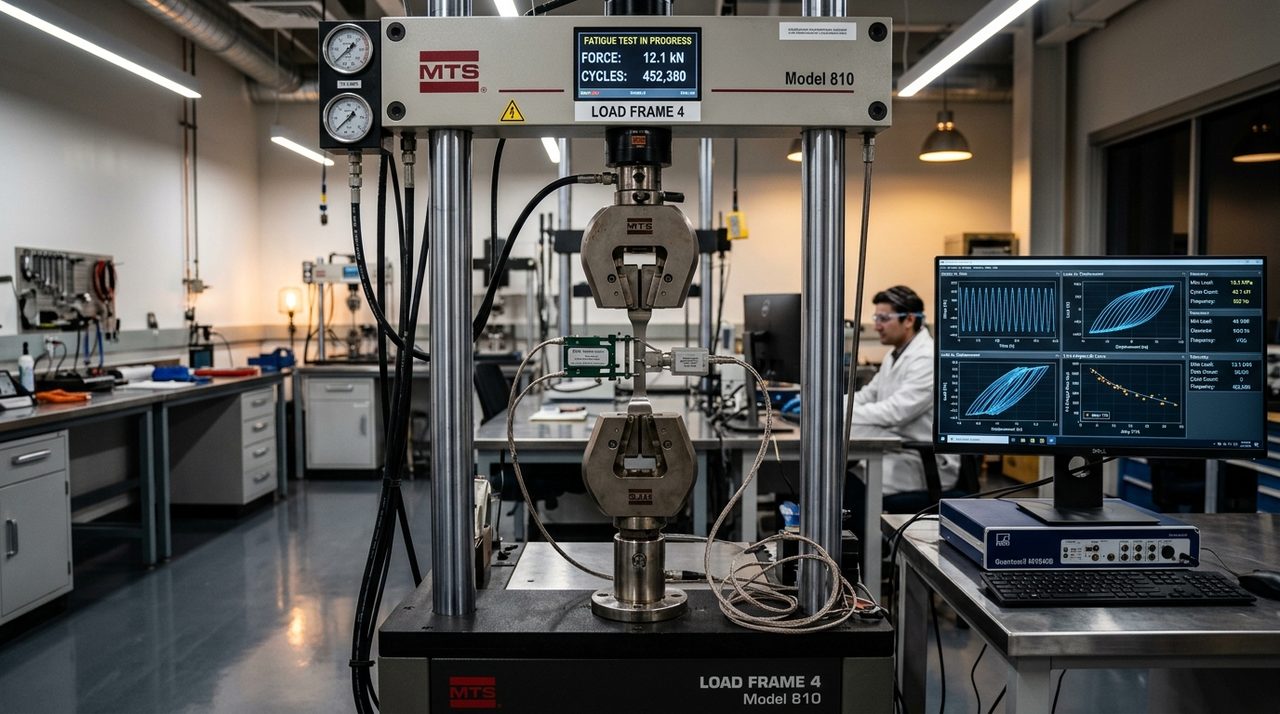
High-Performance Engineering Polymers: PEEK, PTFE, and Polyimides in Critical Systems
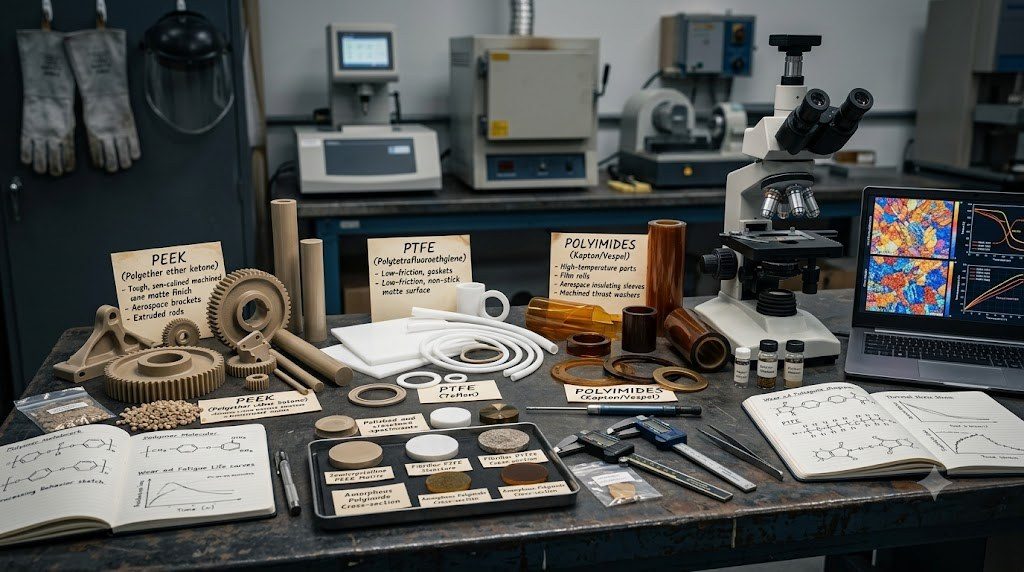
At the pinnacle of the polymer materials pyramid sit High-Performance Engineering Polymers (HPPs). While standard commodity plastics (polyethylene, polypropylene, polystyrene) serve low-stress packaging, and standard engineering plastics (polyamides, polycarbonates, polyacetals) operate up to 100°C–120°C, high-performance polymers are engineered to maintain exceptional mechanical strength, chemical inertness, dimensional stability, and electrical insulation at continuous operating temperatures exceeding … Read more
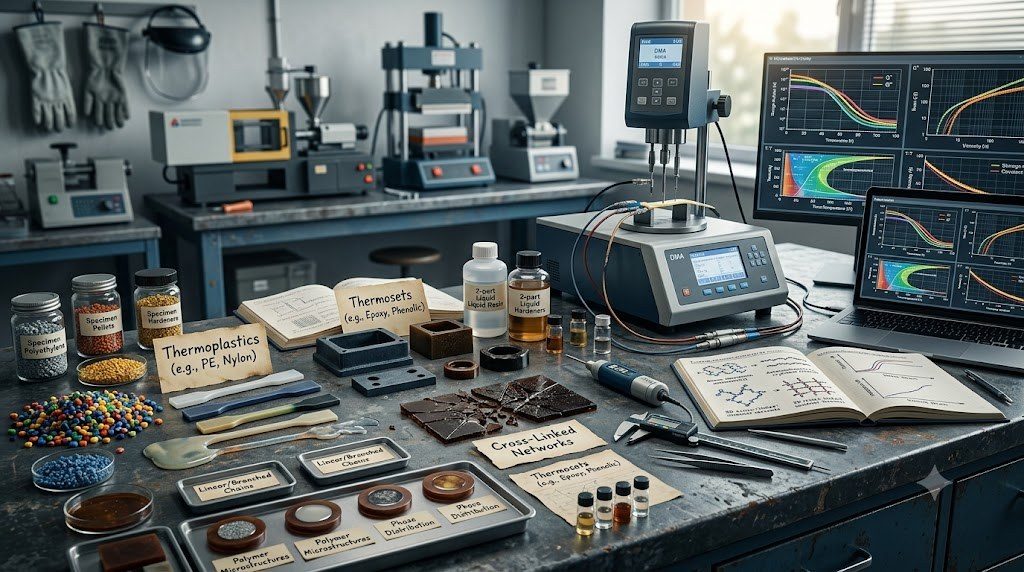
Thermoplastics vs. Thermosetting Polymers: Molecular Architecture, Viscoelasticity, and Injection Molding

Polymers represent one of the most prolific and transformative classes of engineering materials in human history. From lightweight automotive structures and aerospace composites to medical catheters, electronics packaging, and consumer goods, synthetic polymers have fundamentally supplanted traditional metals, wood, and glass in thousands of critical engineering applications. The macroscopic mechanical, thermal, and chemical behaviors of … Read more

Refractory Ceramics: Classification, Thermal Shock Spalling, and High-Temperature Industrial Furnaces

Heavy metallurgical processing, glass manufacturing, cement clinker synthesis, and hydrocarbon petrochemical cracking depend fundamentally on refractory ceramics. Defined by ASTM C71 as non-metallic materials having chemical and physical properties that allow them to withstand temperatures above 538°C (1,000°F) without melting, deformation, or structural failure, refractories serve as the thermal and chemical protective containment shields for … Read more

Electronic and Piezoelectric Ceramics: Lead Zirconate Titanate (PZT) and Barium Titanate Physics

Modern electronic devices, precision sensors, medical ultrasound transducers, and aerospace actuators rely on advanced functional electroceramics. Among these, ferroelectric and piezoelectric ceramics occupy a paramount position due to their ability to interconvert mechanical kinetic energy and electrical polarization. Discovered in natural crystals like quartz and Rochelle salt, piezoelectricity reached commercial maturity with the discovery of … Read more

Bioceramics in Modern Medicine: Hydroxyapatite, Bioglass, and Zirconia for Orthopedic and Dental Implants

In modern biomedical engineering, bioceramics represent one of the most critical classes of biomaterials utilized to repair, restore, and replace damaged or diseased hard tissues within the human musculoskeletal and stomatognathic systems. Unlike synthetic polymers or metallic alloys—which can suffer from electrochemical corrosion, toxic metal ion release, or mechanical mismatch leading to stress shielding—bioceramics offer … Read more

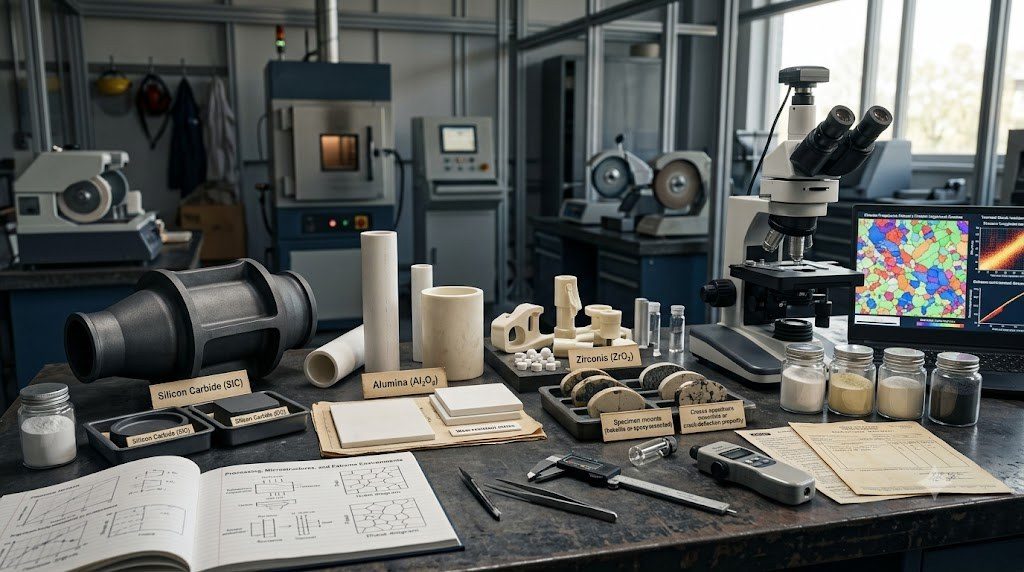
Advanced Structural Ceramics: Alumina, Zirconia, and Silicon Carbide in Extreme Environments

When engineering components must operate at temperatures beyond the melting point of superalloys, withstand intense mechanical abrasion that rapidly erodes hardened tool steels, or survive concentrated chemical attacks in corrosive processing lines, structural metals inevitably fail. In these hostile environments, advanced technical ceramics take precedence. Unlike traditional silicate ceramics (clay, bricks, and porcelain), advanced structural … Read more

Superalloys in Gas Turbines: Nickel, Cobalt, and Iron-Based High-Temperature Metallurgy

In modern aerospace propulsion and industrial power generation, no engineering environment is as ruthlessly demanding as the hot section of a gas turbine. Within high-pressure turbine stages, rotating blades and stationary guide vanes operate continuously under massive mechanical centrifugal stresses exceeding 20,000 RPM, bathed in combustion gases at temperatures up to 1500°C to 1700°C (2700°F–3100°F). … Read more

Heat Treatment of Steels: Phase Transformations, TTT Diagrams, and Microstructure Control

The ability to radically transform the mechanical properties of steel—shifting from a soft, easily machinable state to an ultra-hard, wear-resistant tool, or to a tough, fatigue-resistant structural component—is the cornerstone of physical metallurgy and mechanical engineering. This extraordinary versatility is made possible by heat treatment, a controlled sequence of heating and cooling cycles applied to … Read more

Stainless Steel Classifications: Austenitic, Ferritic, Martensitic, and Duplex Alloys Explained

Stainless steel is arguably the most widely specified class of corrosion-resistant engineering alloys in modern industry. From massive offshore petrochemical platforms and nuclear containment vessels to pharmaceutical bioreactors, marine propulsion shafts, and surgical instruments, stainless steels provide a versatile combination of environmental inertness, mechanical integrity, fabricability, and lifecycle economy. The fundamental trait that distinguishes stainless … Read more

Titanium and Titanium Alloys in Aerospace Engineering: Microstructures, Processing, and High-Performance Applications

In modern aerospace structural engineering, few materials hold as transformative a position as titanium and its advanced alloys. Recognized for their exceptional strength-to-weight ratio, outstanding resistance to fatigue and fracture, and virtually unmatched corrosion performance in marine and atmospheric environments, titanium alloys represent the bedrock of commercial airframes, supersonic military jets, rocket propulsion stages, and … Read more

About MaterialsLab

About MaterialsLab

MaterialsLab is an authoritative technical engineering and metallurgical research hub providing peer-reviewed guides on alloy mechanics, high-performance ceramics, structural polymers, and composite materials.

Certified Engineers ASTM, ISO & ASM compliant metallurgical research
Characterization Workflows SEM, TEM, XRD & AFM testing methodologies
Verified Quality Empirical analysis & peer-reviewed data